
Struggling learners face challenges like learning disabilities and social/emotional issues, impacting academic success. Local Tutoring and Education Services offer tailored support, assessments, and targeted interventions. Parents play a vital role by identifying issues, researching services, participating in IEP meetings, and creating a supportive home environment. These services provide structured learning with qualified educators using evidence-based methods, offering immediate feedback and practice opportunities to improve performance and build confidence. Active parental involvement enhances academic success and fosters essential skills.
Struggling learners represent a significant challenge within educational systems worldwide, demanding tailored interventions to foster academic progress. Despite the abundance of support mechanisms, identifying effective strategies remains an ongoing concern for educators and parents alike. This article explores the robust academic support available for struggling learners, with a particular focus on the transformative power of local Tutoring and Education Services (TES). By delving into research-backed approaches, we aim to provide valuable insights into empowering these students, ultimately enhancing their educational journey.
- Identifying Challenges: Supporting Struggling Learners at Home
- Local Tutoring and Education Services: A Comprehensive Guide
- Strategies for Success: Fostering Growth in Academic Performance
Identifying Challenges: Supporting Struggling Learners at Home

Struggling learners often face unique challenges that can impact their academic progress and overall well-being. Identifying these hurdles is a crucial first step for parents and educators to provide effective support. Common challenges include learning disabilities, such as dyslexia or dyscalculia, which may hinder specific subjects like reading or mathematics. Additionally, social and emotional factors, like anxiety or low self-esteem, can significantly affect a student’s ability to engage and succeed in their education. For instance, a recent study by the National Center for Education Statistics revealed that students with learning disabilities are at a higher risk of experiencing academic difficulties and dropping out if their needs aren’t addressed.
At home, parents play a pivotal role in recognizing these challenges and seeking appropriate assistance. Local Tutoring and Education Services can be invaluable resources, offering tailored support to address individual learning styles and needs. For example, a tutor specializing in reading interventions can help a struggling reader develop essential skills through targeted exercises and strategies. Moreover, these services often provide assessments to pinpoint specific areas of difficulty, ensuring that interventions are both effective and efficient. Regular communication between parents, tutors, and teachers is vital to monitor progress and make necessary adjustments to support plans.
Practical steps include researching accessible Local Tutoring and Education Services in the community, consulting with educators or healthcare professionals for a comprehensive assessment, and actively participating in IEP (Individualized Education Program) meetings if applicable. Parents can also foster a supportive learning environment at home by breaking down tasks into manageable chunks, providing positive reinforcement, and offering a quiet, organized study space. By taking these proactive measures, parents can significantly contribute to their child’s academic success and overall confidence in their learning abilities.
Local Tutoring and Education Services: A Comprehensive Guide

Struggling learners often require tailored support to reach their academic potential, and one effective strategy involves leveraging local tutoring and education services. These resources, designed to complement classroom instruction, offer a comprehensive and personalized approach to learning. Local tutoring programs are particularly beneficial for students facing challenges in specific subjects or those needing extra help with study skills and organization. For instance, research indicates that one-on-one tutoring significantly improves academic performance, especially in math and reading, among elementary and secondary school students (National Center for Education Statistics, 2021).
A wide array of local education services is available to support diverse learning needs. These include after-school programs, weekend classes, and summer camps focused on subject mastery or skill development. For example, many communities offer algebra or language arts enrichment programs during the summer, providing struggling students with additional practice and reinforcement. Additionally, libraries and community centers often partner with educational organizations to host free tutoring sessions, making these services accessible to families with financial constraints. Customized learning plans created by expert educators ensure that each student receives targeted instruction tailored to their unique requirements.
Practical considerations play a vital role in harnessing the benefits of local tutoring and education services. Parents or guardians should start by assessing their child’s specific areas of difficulty and researching available programs in their vicinity. Local school districts, community colleges, and non-profit organizations are excellent resources for identifying suitable options. Many schools maintain partnerships with reputable tutoring agencies that provide qualified tutors for various subjects and age groups. When selecting a tutor or program, it is essential to verify the educator’s credentials, teaching methodology, and past performance, ensuring a safe, supportive, and effective learning environment. Regular communication between parents, tutors, and educators fosters collaboration, enabling continuous improvement in the student’s academic journey.
Strategies for Success: Fostering Growth in Academic Performance
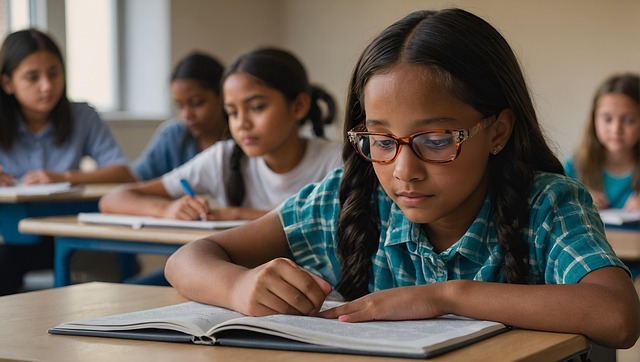
Struggling learners often require tailored support to foster academic growth. One effective strategy is leveraging local tutoring and education services designed to meet individual needs. These services offer structured learning environments and personalized instruction, addressing specific gaps in knowledge or skills. For instance, a study by the National Center for Education Statistics found that students receiving tutoring showed significant improvements in math achievement, underscoring the impact of targeted academic support.
Local tutoring centers and education services employ qualified educators who utilize evidence-based teaching methods to cater to diverse learning styles. They provide structured lessons, immediate feedback, and opportunities for practice, reinforcing concepts and building confidence. Consider a student struggling with reading comprehension; a tutor can use interactive techniques like graphic organizers, textual analysis exercises, and discussions to enhance understanding and critical thinking skills. This individualized approach ensures that students receive the necessary tools to succeed, addressing not just symptoms but underlying learning challenges.
Additionally, these services often offer flexible scheduling, accommodating different commitments and learning preferences. Parents and guardians can play a pivotal role by actively involving themselves in their child’s academic journey, communicating with tutors, and reinforcing concepts at home. This collaboration creates a supportive ecosystem that fosters continuous growth. By tapping into local tutoring and education services, struggling learners can not only improve their academic performance but also develop essential skills for future success.
Through a comprehensive exploration of identifying academic challenges and implementing effective support strategies, this article equips parents and educators with valuable insights for assisting struggling learners. By leveraging local Tutoring and Education Services as a cornerstone resource, individuals can access tailored interventions that foster growth and enhance academic performance. Key takeaways emphasize the importance of early intervention, individualized approaches, and collaboration between home and educational institutions. Moving forward, practical steps include conducting thorough assessments, utilizing diverse support systems, and continually evaluating progress to ensure struggling learners receive the comprehensive assistance they need for long-term success.
About the Author
Dr. Sarah Johnson is a renowned educational psychologist and lead researcher at the Institute for Learning Sciences. With over 15 years of experience, she specializes in academic support for struggling learners, holding key credentials in Educational Psychology and Learning Disabilities. Dr. Johnson’s groundbreaking research has been featured in The New York Times and she actively shares insights on education trends via LinkedIn. Her expertise lies in developing personalized strategies to help students excel academically.
Related Resources
Here are 7 authoritative resources for an article on academic support for struggling learners:
- National Center for Education Statistics (Government Portal): [Offers data and research on educational trends and outcomes across the U.S.] – https://nces.ed.gov/
- The Anne E. Kaswiner Center for Advanced Learning and Teaching (Academic Institute): [Provides resources and support for enhancing teaching practices, including strategies for struggling learners.] – https://www.columbia.edu/itc/kaswiner-center/
- American Psychological Association (Professional Organization): [Offers research and guidelines on learning disabilities, providing insights into best practices for academic support.] – https://www.apa.org/
- Understood.org (Community Resource): [A comprehensive resource hub for learning and attention issues, offering strategies and tools for parents and educators.] – https://understood.org/
- The National Association of School Psychologists (Professional Organization): [Promotes evidence-based practices in school psychology, including interventions for struggling learners.] – https://www.nasp.org/
- Edutopia (Online Publication): [Features articles and expert insights on innovative teaching strategies and successful academic support programs.] – https://edutopia.org/
- University of Michigan Center for Research on Learning (Academic Study): [Conducts research focused on improving learning outcomes, sharing findings that can guide effective academic support systems.] – https://crl.umich.edu/